
Steam Trap Testing
Steam Trap Testing is a critical maintenance strategy that ensures steam systems perform efficiently by promptly detecting leaks, blockages, and faulty traps. This non-invasive testing combines ultrasonic tools and sensors to redefine the precision of trap testing.
Steam Trap Testing
Steam Trap Testing is a pivotal part of any predictive maintenance strategy, as it enables the efficiency and safety of steam systems with minimal energy loss. Faulty steam traps can cause major steam leakage, increased fuel consumption, equipment damage, and other safety concerns. Regular Trap testing helps uncover faults early, preventing breakdowns and maintaining integrity as well as production quality. Proper steam trap testing reduces operational cost, improves system reliability, and enhances equipment longevity.
Assetconditionmonitoring.com offers expert steam trap testing services in the UAE and the Middle East. Our team of experts understands how different traps work, what issues to look for, and how to find faults before they escalate. With the latest tools and years of experience, we provide accurate inspections and practical advice that you can simply trust. That’s why renowned industries rely on us to keep the steam system safe, reliable, and efficient.

Steam Trap Inspection Procedure
Steam Trap Testing Procedure is a meticulous process that needs to be done properly, requiring attention to details, accurate measurements, and a deep understanding of the performance of different types of traps under specific conditions. At assetconditionmonitoring.com, our experienced engineers handle these processes effortlessly. We follow a systematic, phased approach using advanced calibrated tools and trained professionals to ensure that even the smallest fault is not overlooked. Here is a breakdown of how we do the all-inclusive tra[p inspection procedure:
How is Ultrasound testing in Steam Traps performed?
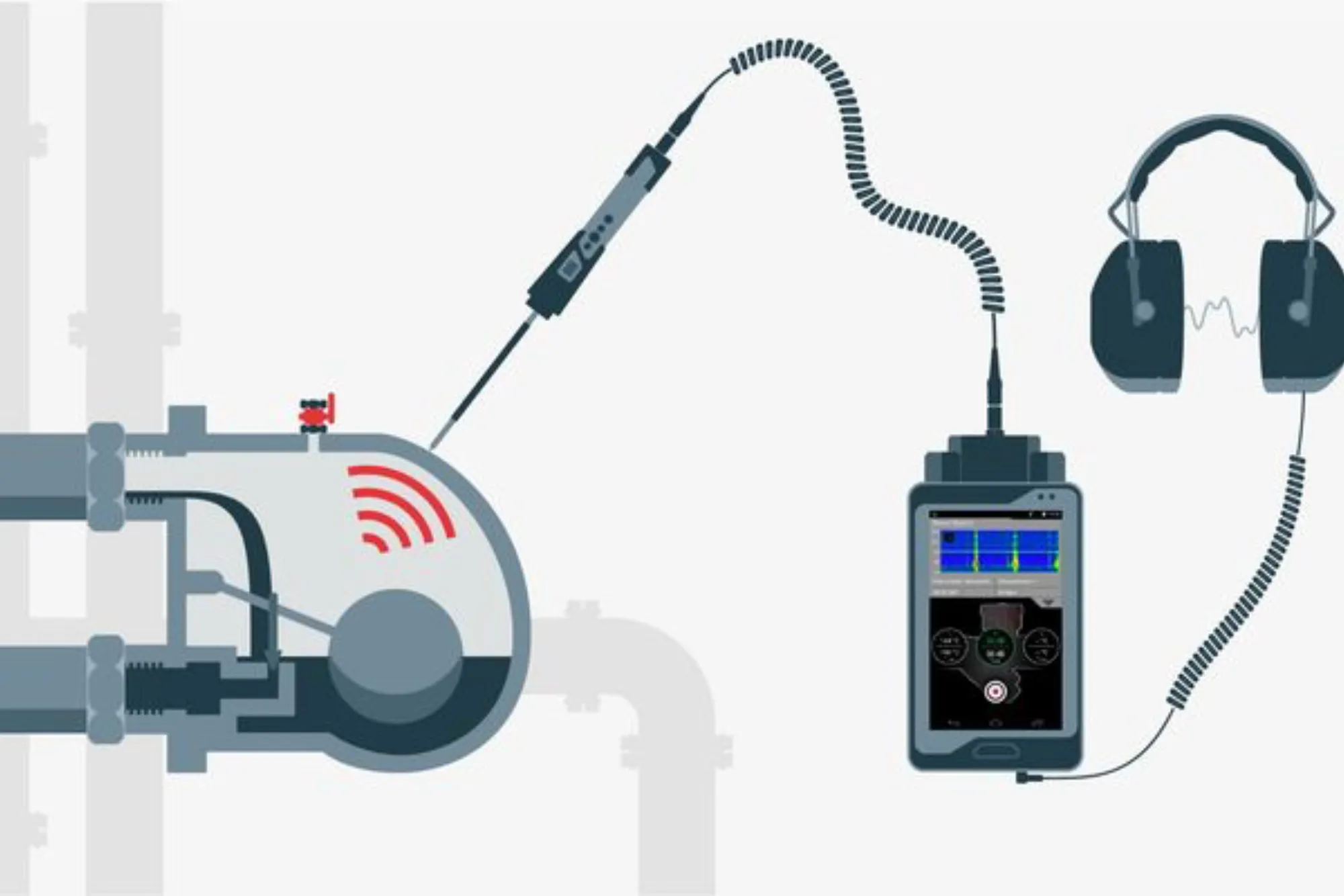
Ultrasonic steam trap testing is done by detecting high-frequency sounds produced by steam and condensate flow inside the trap; they are often inaudible. As it is beyond human hearing range, the chances are, it could be missed. Ultrasound testing is highly sensitive and allows for non-invasive, real-time diagnostics, even in noisy environments. Here is how the Ultrasonic steam trap testing is done:
Device Setup
Handheld ultrasonic detectors with a contact probe or clamp-on sensor are used. This is calibrated and set to the appropriate frequency range for steam systems.
Contact with Trap
The probe is placed directly on the body or piping near the steam trap. The device listens to the sound waves generated by the trap operation.
Listening and Interpreting
Operators hear real-time sounds through headphones and view signal patterns on the device screen. A properly working trap has a characteristic opening/closing (cycling) sound.
- A blown trap shows continuous flow (high-frequency hissing).
- A blocked trap shows little to no sound differences.
- A leaking trap has inconsistent noise with minor flow, even when closed.
Comparison and Analysis
The sound pattern is compared to baseline readings to evaluate the performance. Technicians combine this with the temperature or pressure readings for precise assessment.
SONOTEC's SteamExpert
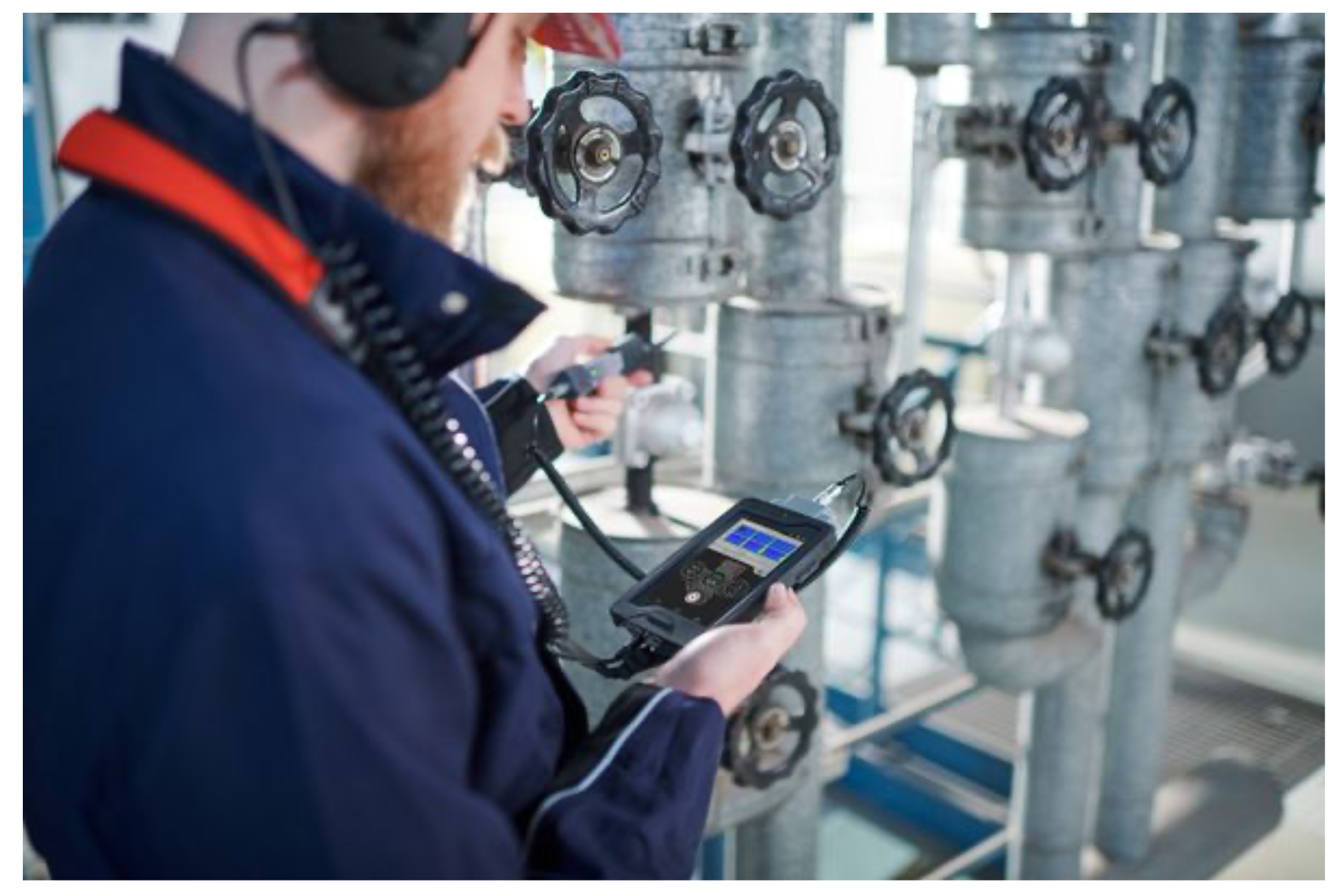
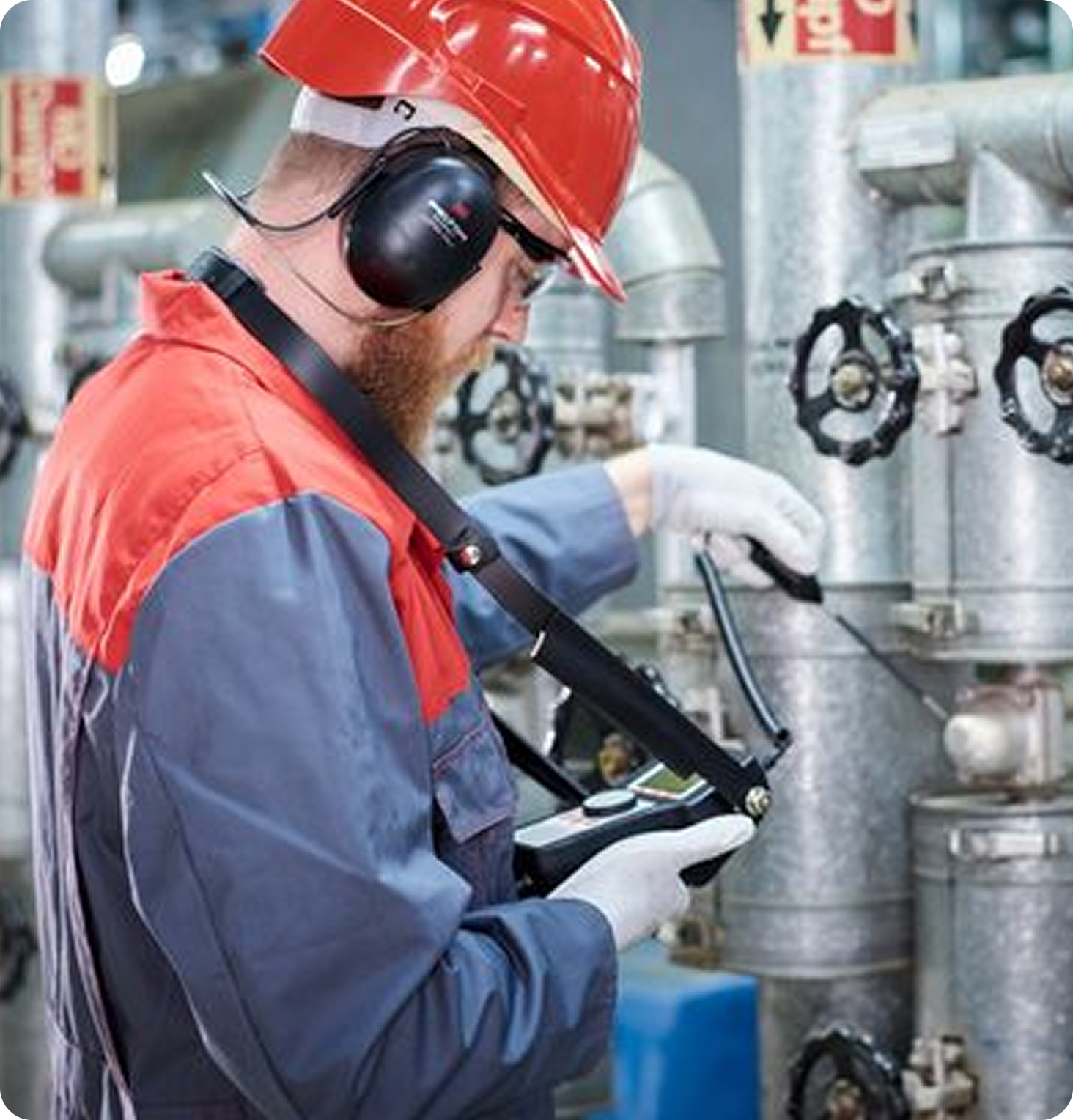
At assetconditionmonitoring.com, we use the latest and advanced SONOTEC SteamExpert system for reliable ultrasonic steam trap testing. SONOTEC offers customized solutions that align perfectly with your ultrasonic maintenance needs. To support this, the SteamExpert app has been designed to enable fast and cost-effective testing of steam traps across a range of types and manufacturers. Curated for efficiency, the SteamExpert app pairs with the SONAPHONE Digital Tester and BS20 (Broadband Structure-Borne Sound and Temperature Sensor) ultrasonic-temperarute sensor to quickly assess all types of steam traps. This tool detects leaks, faults, and improves energy efficiency. Test results are managed and analysed through DataSuite software, making inspections organised, accurate, and easy to review.
Expert Ultrasonic steam trap testing with assetconditionmonitoring.com
Ensure the efficiency and reliability of your steam trap with our expert Steam Trap Testing from assetconditionmonitoring.com. Our comprehensive services identify faulty, leaking, or blocked steam traps early before they become apparent and significant, minimising energy loss, preventing system damage, and boosting overall performance. Stay ahead of the costly failures and maintain optimal productivity with prompt diagnostics with us.
Frequently Asked Questions
Steam traps are tested using a combination of tools like ultrasonic detectors, temperature sensors, and sometimes pressure gauges to check for efficient operation, leakage, or blockage. Ultrasound tools help detect high-frequency sounds indicating trap activity or failure. Inlet and outlet temperature difference lines are also measured to confirm trap performance.