
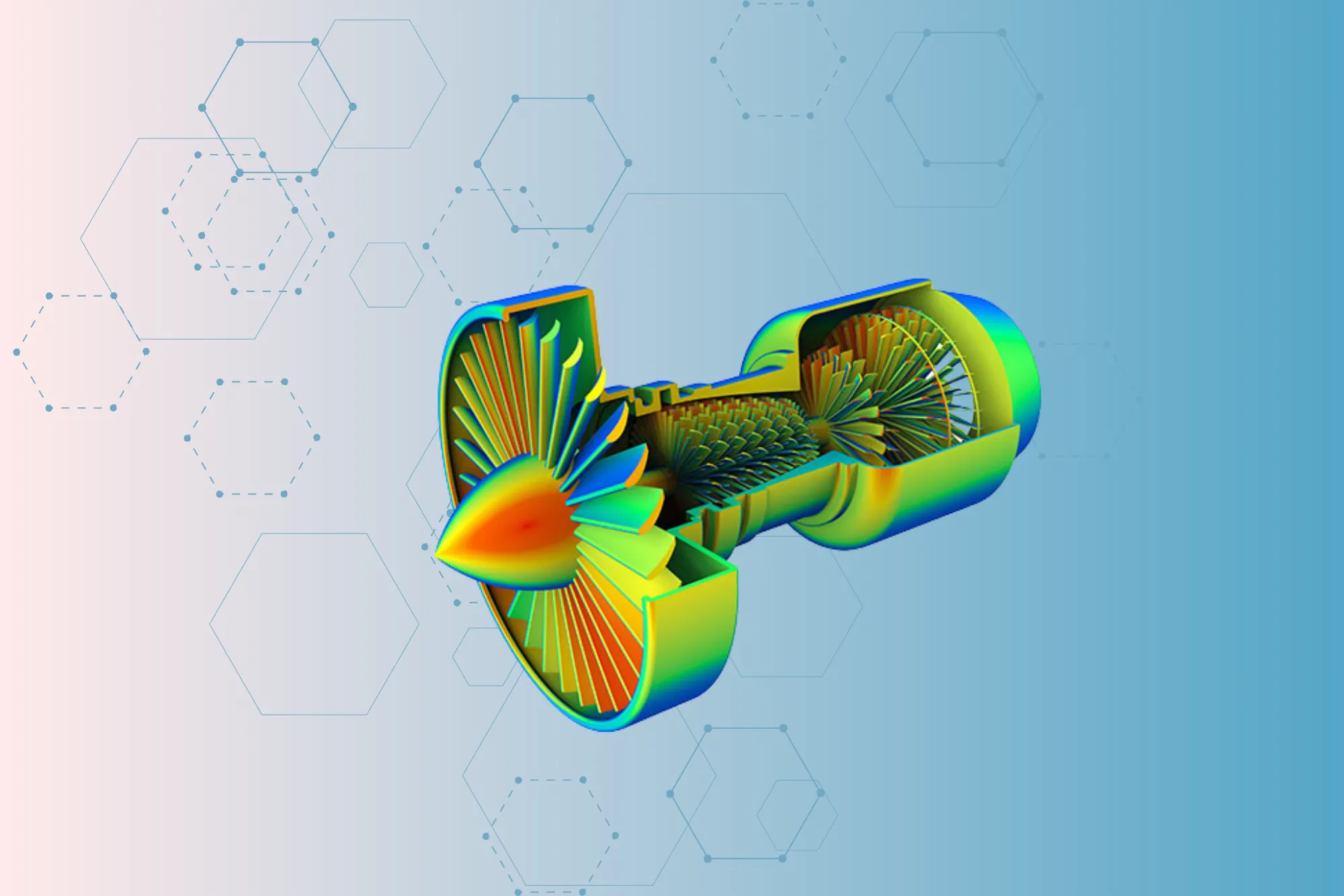
Ensuring Structural Integrity with FEA Analysis by AssetCondition
In industries where structural reliability and performance are critical, Finite Element Analysis (FEA) is a critical engineering tool. Employed in multiple layers, such as designing heavy machinery, assessing equipment fatigue, or investigating failure points, FEA provides the clarity and accuracy industries need to make informed decisions.
At AssetConditionmonitroing.com, we specialize in providing high-fidelity FEA services that support safe, efficient, and cost-effective asset management.
What is FEA?
Finite Element Analysis (FEA) is a numerical method used to predict how physical structures behave under various loads, vibrations, heat, and other real-world forces. By breaking down complex geometries into small, manageable elements, FEA simulates stress, strain, displacement, and fatigue with high accuracy.
Through this, engineers can:
- Detect weak points before failure occurs
- Validate designs against safety standards
- Extend the life of the equipment
- Reduce the need for costly physical prototypes

Related services
FEA with Assetconditionmonitoring.com
At assetconditionmonitoring.com we provide expert Finite Element Analysis from offshore platforms to pressure vessels, and rotating equipment to structural frames. This technique helps you visualize and quantify risk, allowing proactive measures to ensure safety, reliability, and performance.
Common Applications:
Why Partner with AssetConditionmonitoring?
At assetconditionmonitoring.com we provide expert Finite Element Analysis from offshore platforms to pressure vessels, and rotating equipment to structural frames. This technique helps you visualize and quantify risk, allowing proactive measures to ensure safety, reliability, and performance.
What we offer
Detailed reports with stress maps, deformation plots, and failure predictions
Compliance with industry codes (ASME, API, Eurocode, etc.)
Realistic material modeling and boundary conditions
Customized suggestions for design improvements and reinforcements
Why Choose Us?
 Identify critical stress concentrations
Justify safe operation under current load conditions
Avoid unplanned shutdowns and costly repairs
Industry-Centric Expertise
Simulation to Solution
Clear Reporting
Operational safety and asset longevity
FEA provides the insight to act early and act wisely. Whether you're validating a new design or assessing an existing asset, AssetCondition monitoring is your trusted partner in precision engineering
Frequently Asked Questions
Accuracy depends on the quality of input data (material properties, loads, boundary conditions) and mesh refinement; validation with experimental or real-world data is often required.