
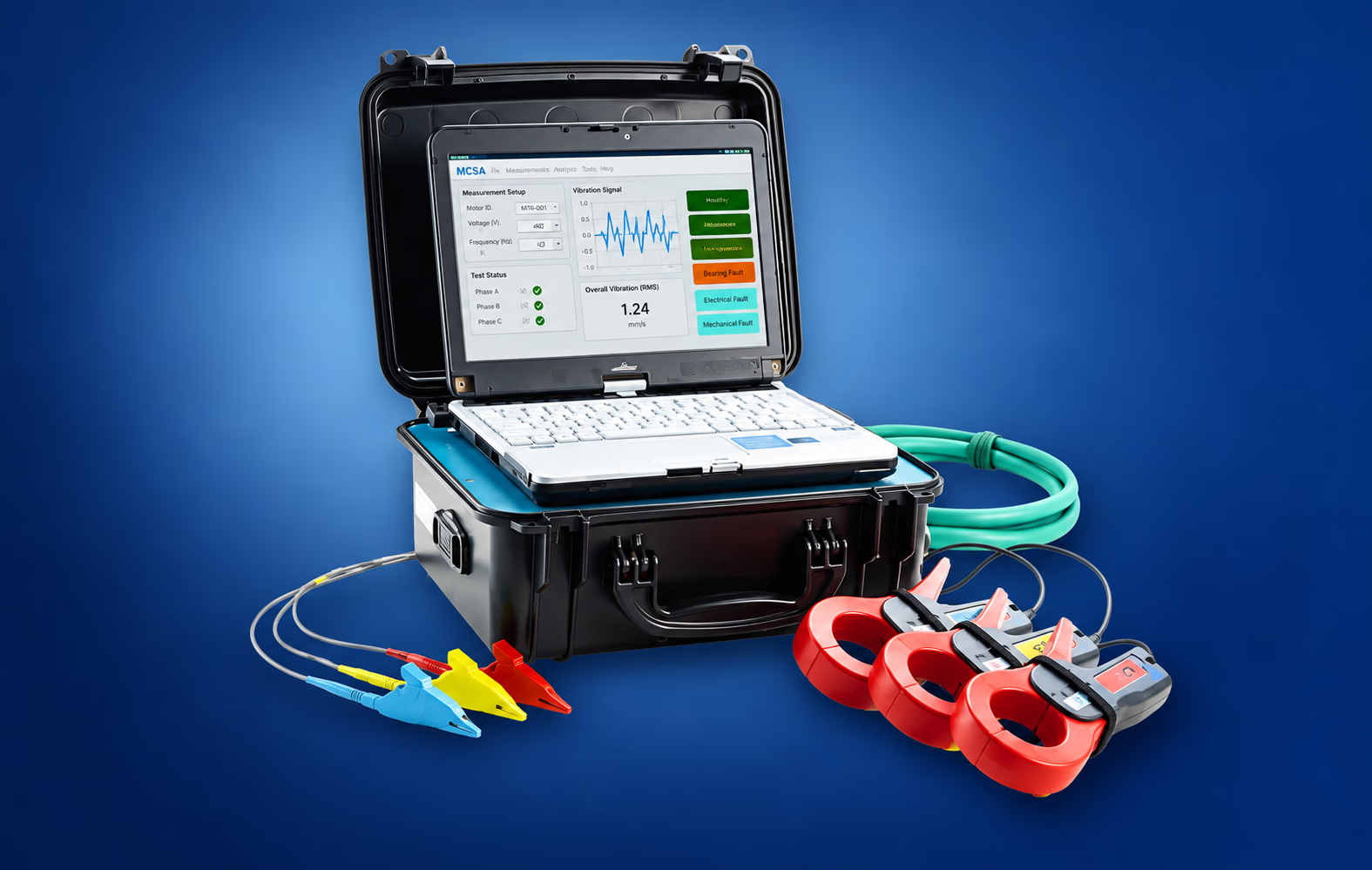

What Types of Motor Faults Can MCSA Detect?
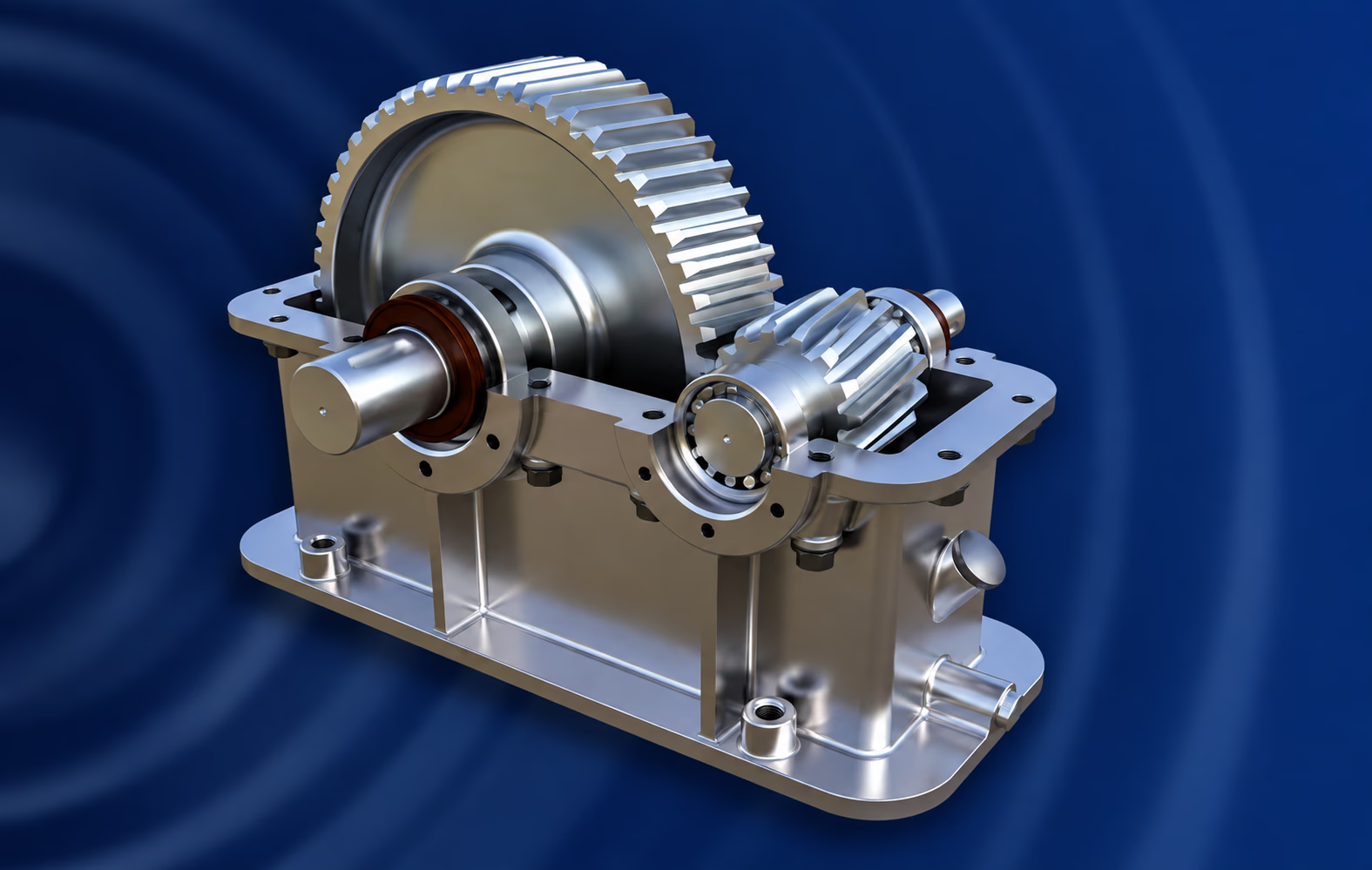
Gearbox Vibration Analysis: How To Find Gear Faults Through Vibration Signals

Construction Vibration And Noise Monitoring UAE

What Is Pump Cavitation and How to Avoid It
Why Pump Alignment Is Critical for Reliable Industrial Operations ?
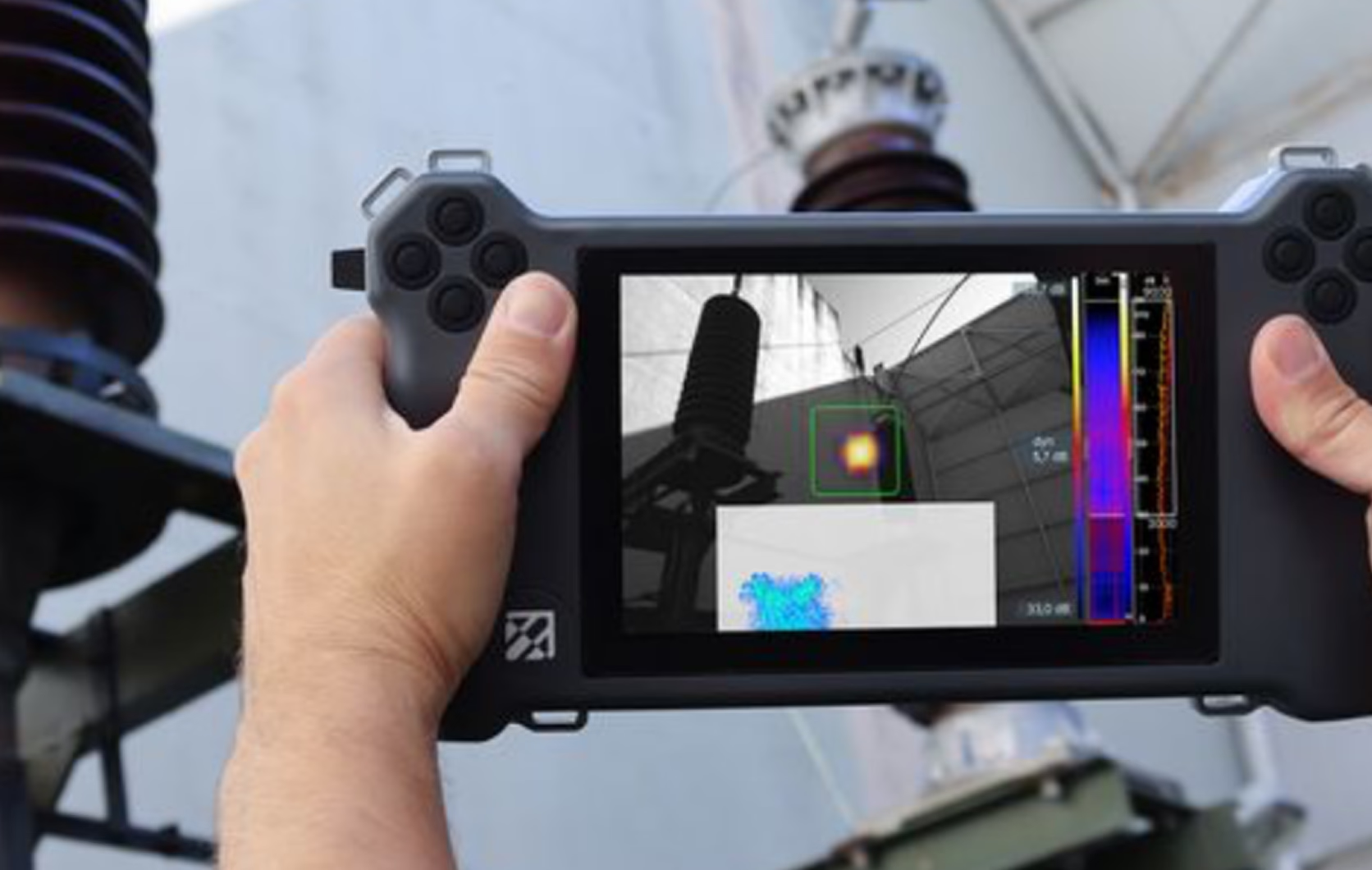
How Does an Acoustic Camera Work?
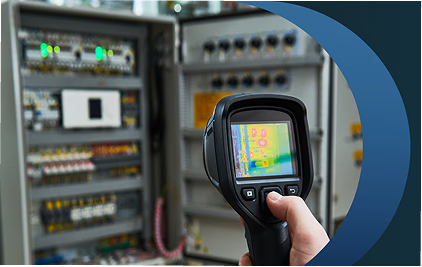
What is Infrared Thermography for Electrical Inspection?

What is Partial Discharge Testing?
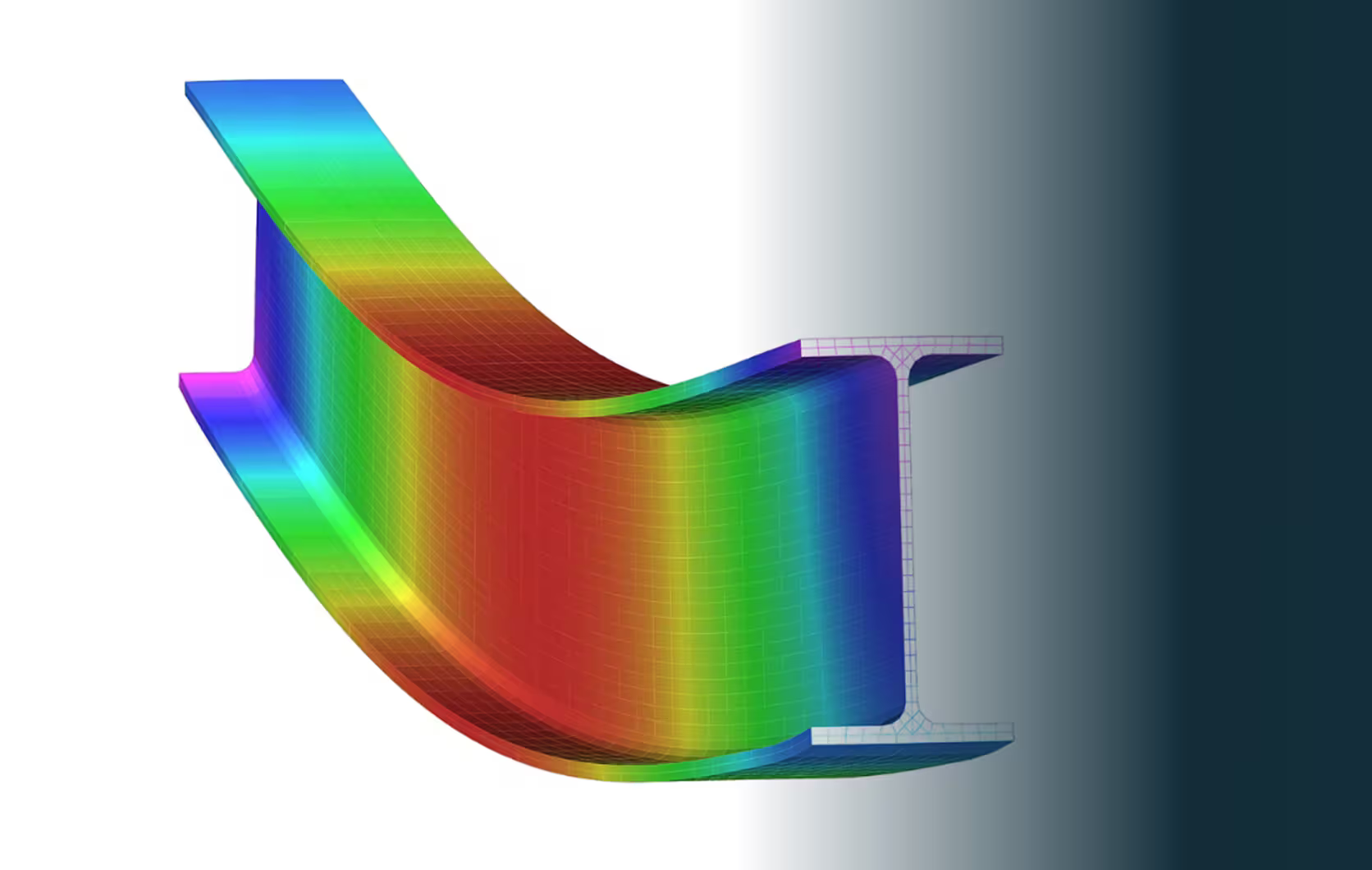
How FEA Analysis Improves Structural Performance & Reliability?
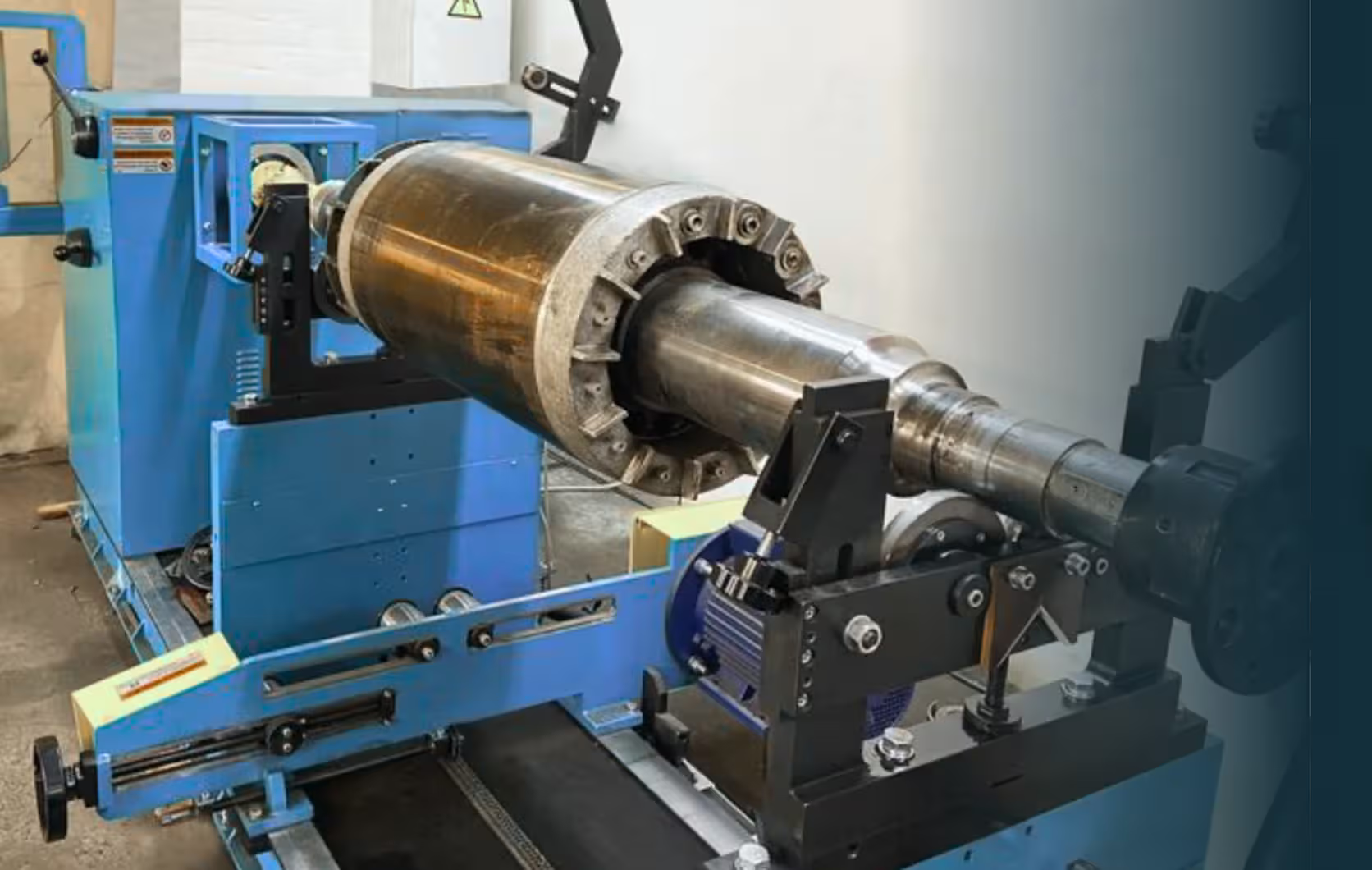
What is Dynamic Balancing: Why It Matters in Industrial Equipment
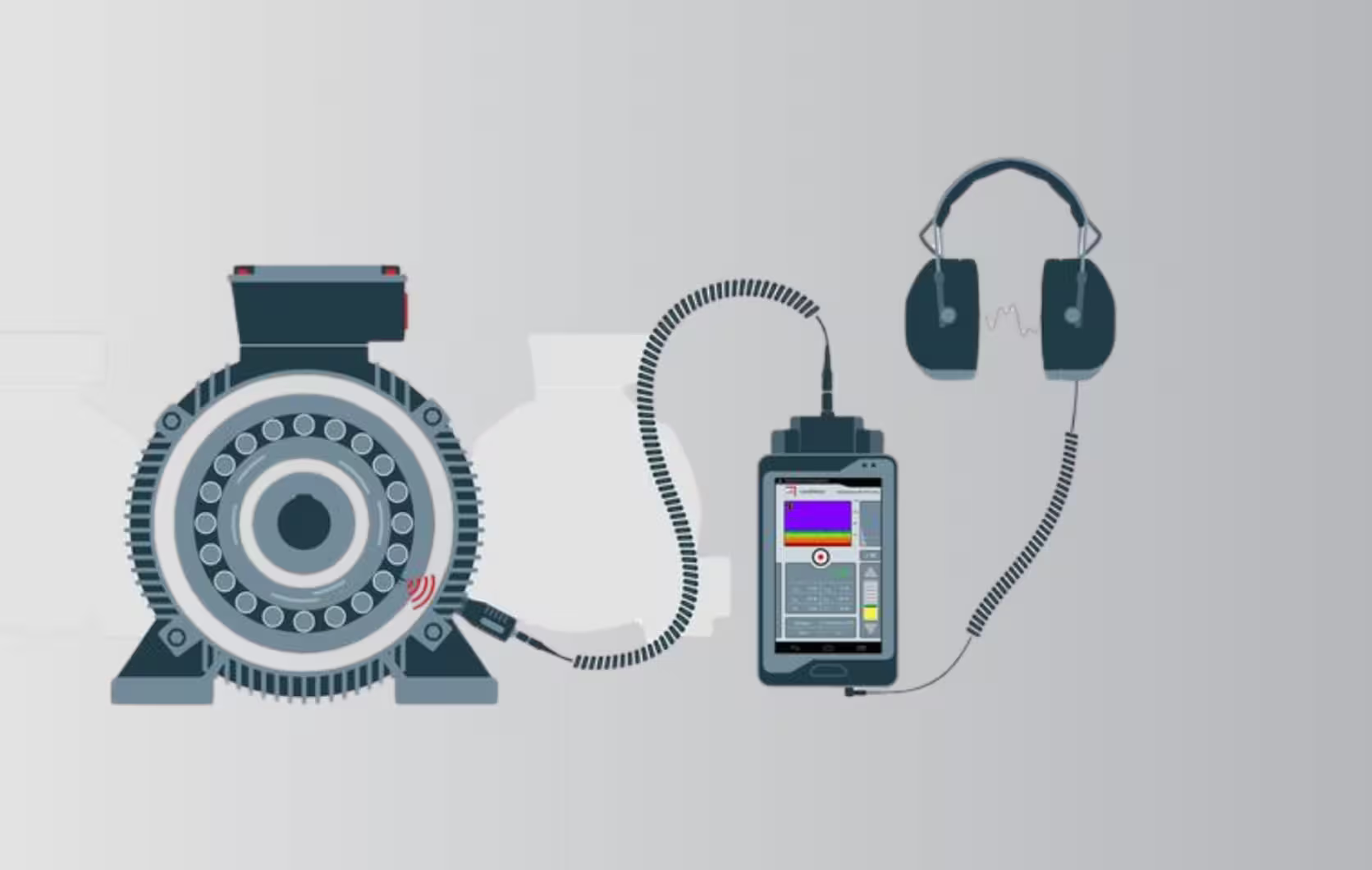
How Acoustic Emission Testing (AET) Detects Material Defects
Motor Current signature analysis (MCSA) is a special non-intrusive condition monitoring technique that is used in predictive maintenance to assess the condition of electric motors. MCSA is primarily used for precise motor fault detection and it does the job by analysing the variations in the motor’s supply current waveform to see the presence of any irregularities which could mean underlying problems like mechanical defects, bearing wear or insulation issues.
MCSA can show the first signs of problems such as damaged rotor bars, air-gap irregularities, stator winding defects, bearing faults, and abnormal load conditions. Maintenance teams can easily detect different motor and driving equipment faults, as this technique analyses the frequency spectrum of the motor current to understand the characteristic patterns and sidebands related to particular faults. Through a comprehensive Motor Current Signature Analysis, industries can identify potential motor problems, prevent sudden failures, and enhance motor performance.
What Motor Problems Can MCSA Detect?
Rotor Faults: Identifies damaged, cracked, or deteriorating rotor bars and end rings that can contribute to localised heating and reduced motor performance.
Air-Gap Eccentricity: Detects irregularities in the air gap between the rotor and stator, including both static and dynamic eccentricity.
Stator Winding Faults: Helps identify developing coil faults, insulation deterioration, and turn-to-turn short circuits before they progress into more serious electrical failures.
Bearing Damage: Detects vibration-related electrical signatures associated with defects in bearing components, including the inner race, outer race, and rolling elements.
Load and Coupling Problems: Can reveal mechanical issues affecting the motor-driven system, such as shaft misalignment, gearbox faults, abnormal loading, and pump cavitation.
Power Supply and Power Quality Issues: Identifies conditions such as voltage variations, phase imbalance, and electrical disturbances associated with Variable Frequency Drives (VFDs).
One of the key advantages of MCSA is its ability to monitor motor condition without interrupting normal operation. Since changes in electrical current patterns may appear during the early stages of a developing fault, MCSA can provide valuable warning signs before the problem becomes severe enough to cause significant vibration, equipment damage, or unexpected downtime.
What Is Motor Current Signature Analysis (MCSA)?
Motor Current Signature Analysis (MCSA) is an advanced, non-invasive diagnostic technique used to evaluate motor condition without interrupting routine operation. The monitoring system can be easily installed within the motor control cabinet, so the need for complicated external setups can be avoided, making it ideal for applications that demand accurate and reliable diagnostics. This condition monitoring technique evaluates the health of electric motors by measuring the current supplied to the motor, through which developing faults can be detected at an early stage, allowing organisations to prevent unexpected equipment failures, improve motor reliability, and maintain efficient performance.
When compared with traditional inspection methods, MCSA provides a faster and less intrusive approach to assess motor condition. Since measurements can at most times be collected while the equipment is still running, maintenance teams can carefully monitor asset performance with minimal disruption to production. It also supports early fault detection by identifying even the slightest electrical changes before visible symptoms become apparent, helping reduce unexpected failures, unnecessary inspections, maintenance costs, and unplanned downtime while improving overall equipment reliability.
Why Detecting Motor Faults Early Matters
Early motor fault detection is critical to maintaining efficiency and reliability in industrial operations. So, identifying the problems before they become serious issues is one major foundational step for maintenance teams to take timely corrective action, minimise operational disruptions, and protect valuable equipment and personnel.
Prevent unexpected downtime: Early fault detection lets maintenance teams address escalating issues before they cause abrupt motor failure and production outages.
Reduce maintenance costs: Detecting problems as soon as they arise at an early stage helps avoid expensive emergency repairs, major component replacements, and unplanned maintenance activities.
Improve equipment reliability: Regular monitoring and quick intervention help motors operate more consistently and reduce the risk of unexpected breakdowns.
Increase motor lifespan: Addressing faults in time before damage reduces unnecessary stress and wear on motor components, helping extend the equipment's service life.
Enhance plant safety: Identifying potential motor problems early can reduce the risk of equipment-related incidents and contribute to a safer working environment.
What Types of Motor Faults Can MCSA Detect?
Motor Current Signature Analysis (MCSA) can identify a wide range of electrical and mechanical problems by examining changes in a motor's current and frequency patterns. These changes can give real decisive insights into early indications of faults that could compromise motor integrity and smooth performance, reliability, and operational efficiency.

Broken Rotor Bars
Broken or cracked rotor bars can occur due to thermal stress, frequent starting, or mechanical fatigue. MCSA identify characteristic sideband frequencies that are linked with rotor faults, helping detect the issue before it significantly affects motor torque and performance.
Rotor Eccentricity
Rotor eccentricity occurs when the air gap between the rotor and stator becomes uneven. Static, dynamic, or mixed eccentricity can cause special yet distinctive frequency components in the current signal; this lets MCSA techniques detect developing abnormalities.
Bearing Defects (Electrical Indicators)
Defects that affect the inner race, outer race, or rolling elements could sometimes produce changes in the motor's electrical signature. MCSA can detect these bearing-related effects when mechanical defects create sufficient electrical or load modulation.
Stator Winding Faults
Problems such as turn-to-turn insulation damage, phase faults, or ground faults can change the electrical characteristics of a motor. MCSA picks up abnormal current patterns that might provide an early warning of developing winding problems.
Air Gap Irregularities
An uneven air gap could result from mechanical deformation, rotor movement, or misalignment. These irregularities can alter the magnetic field inside the motor and produce detectable changes in the current signature.
Voltage Imbalance
Unequal supply voltage between phases could be due to supply system issues, poor connections, or uneven loading. MCSA can identify current imbalance, which could lead to increased heating, reduced efficiency, and additional stress on the motor.
Single Phasing
Single phasing happens when one phase of the power supply is lost or severely disrupted. MCSA checks abnormal phase-current conditions that show this problem, helping prevent overheating and serious motor damage.
Loose Electrical Connections
High-resistance connections, damaged cables, and deteriorating terminals can affect the flow of current to the motor. Changes in the electrical signature may help identify these developing connection-related problems.
Load-Related Mechanical Problems
Mechanical issues in connected equipment, including pump cavitation, gear damage, coupling faults, belt problems, or damaged fan blades, can influence motor load patterns. MCSA can detect changes in current caused by these variations in mechanical load.
Misalignment and Mechanical Unbalance
Misalignment and unbalance can create fluctuating loads that affect the motor's electrical current. MCSA can identify related electrical symptoms, while vibration analysis can be used alongside it to provide a more complete diagnosis of the mechanical condition.
Faults That MCSA Cannot Reliably Detect Alone
Although Motor Current Signature Analysis (MCSA) is highly effective at detecting faults that cause significant changes in a motor's electrical current, it cannot single-handedly detect every new or developing mechanical or equipment-related problem. Pure lubrication issues, for example, may not induce a noticeable change in the electrical signature until they progress and affect motor load or bearing performance. Similarly, minor bearing wear with subtle impact on motor current can remain undetected during the early stages.
MCSA also has limitations in identifying physical issues like surface cracks and structural defects, as these problems may not directly change or affect the electrical characteristics of the motor. For this reason, MCSA is most effective when used as part of a broader condition monitoring strategy. Complementary technologies such as vibration analysis, ultrasonic testing, oil analysis, and infrared thermography can provide additional and dependable insight into mechanical, lubrication, and structural conditions that might not be visible through electrical current analysis alone.
So, integrating these techniques is particularly helpful forpful for maintenance teams to have well-rounded and strategic results, achieve more complete fault detection and make better-informed maintenance decisions.
MCSA vs Other Motor Diagnostic Techniques
MCSA vs Vibration Analysis
Factor
MCSA
Vibration Analysis
Measurement point
Motor current is measured from the electrical supply, control cabinet, or motor circuit
Vibration is measured directly on the machine, typically at bearing housings or other monitoring locations
Physical access required
Can often be performed remotely without direct access to the motor
Requires access to the machine for sensor placement or measurement
Best fault coverage
Rotor bar defects, air-gap eccentricity, stator winding problems, and electrical abnormalities
Imbalance, misalignment, mechanical looseness, bearing defects, and gear-related faults
Bearing fault detection
Possible when bearing damage produces noticeable changes in the motor current
Highly sensitive and widely used for identifying developing bearing faults
Load sensitivity
Requires adequate and relatively stable load conditions for reliable fault analysis
Less dependent on load level, although operating conditions can influence vibration readings
Electrical fault detection
Directly detects electrical and electromechanical faults through current signature analysis
Generally detects electrical problems indirectly when they cause mechanical vibration changes
Bearing fault detection
Can detect bearing-related faults when they create measurable electrical effects
Highly effective for detecting early-stage bearing and lubrication problems
Load sensitivity
Performance can depend on operating load and motor condition
Generally less affected by load but depends on proper measurement conditions
Electrical fault detection
Directly analyses electrical current signatures
Can detect certain electrical phenomena indirectly, such as arcing or corona
MCSA vs Infrared Thermography
Factor
MCSA
Infrared Thermography
Measurement point
Motor supply current from the control panel or electrical circuit
Surface temperature of the motor and associated components
Physical access required
No direct access to the machine is generally required
Yes, a clear view of the equipment surface is required
Best fault coverage
Rotor faults, eccentricity, stator winding issues, and electrical abnormalities
Overheating, loose electrical connections, insulation problems, and abnormal thermal conditions
Bearing fault detection
Possible when bearing defects influence the motor current
Can identify bearing overheating but may not detect early-stage defects
Load sensitivity
Requires sufficient and relatively stable motor load for reliable analysis
Less dependent on machine load, although operating conditions affect temperature readings
Electrical fault detection
Direct detection through changes in the motor current signature
Indirect detection through abnormal heat patterns
MCSA vs Ultrasound Testing
Factor
MCSA
Ultrasound Testing
Measurement point
Motor control cabinet, panel, or electrical supply circuit
Motor bearings, mechanical components, and other accessible equipment areas
Physical access required
No direct contact with the machine is required
Yes, measurements are typically taken close to or directly on the equipment
Best fault coverage
Broken rotor bars, eccentricity, stator faults, and load-related abnormalities
Lubrication issues, bearing defects, friction, leaks, and mechanical impacts
MCSA vs Partial Discharge Testing
Factor
MCSA
Partial Discharge Testing
Measurement point
Motor supply circuit, control panel, or electrical connections
Motor insulation system, cables, switchgear, or other high-voltage components
Physical access required
Can often be performed remotely without direct machine access
Sensor installation or access to electrical equipment may be required
Best fault coverage
Rotor faults, eccentricity, stator-related issues, and motor load abnormalities
Insulation deterioration, voids, electrical discharge activity, and developing insulation failures
Insulation deterioration, voids, electrical discharge activity, and developing insulation failures
Possible when bearing problems significantly affect motor current
Not intended for detecting bearing or mechanical faults
Load sensitivity
Requires suitable operating load conditions for reliable fault identification
Less dependent on mechanical load and focused primarily on insulation condition
Electrical fault detection
Detects electrical abnormalities through changes in current signatures
Directly identifies partial discharge activity associated with insulation defects
Industries That Benefit Most from MCSA
Motor Current Signature Analysis (MCSA) is particularly valuable in industries that depend on electric motors to operate critical pumps, fans, compressors, conveyors, and other rotating equipment. Because the technique can assess motor condition through electrical current measurements without requiring direct access to the machine, it supports early fault detection while minimising disruption to normal operations. Industries with continuous processes, demanding operating environments, and high downtime costs can benefit significantly from incorporating MCSA into their predictive maintenance and condition monitoring programs. The following industries are among those that can gain the most value from this technology:
Oil & Gas Industries
Power Generation industries
Water & Wastewater treatment plants
Cement Plants
Steel Industry
Mining Industry
Marine and maritime industries
HVAC Systems
Common Applications of MCSA
Motor Current Signature Analysis (MCSA) can be applied to a wide range of motor-driven equipment used across industrial and commercial facilities. By examining variations in motor current, the technique can help identify developing electrical and mechanical faults without requiring extensive access to the machine itself. MCSA is particularly useful for monitoring critical rotating equipment where unexpected failures can result in production losses, costly repairs, or operational downtime. Common applications include:
Pumps: MCSA can help identify motor faults, load variations, rotor issues, and certain pump-related operating abnormalities.
Compressors: It supports the detection of electrical and mechanical conditions that affect compressor motor performance and loading.
Fans: MCSA can identify motor-related problems and load changes associated with fan operation.
Blowers: Changes in the current signature can provide insight into motor condition and abnormal operating loads in blower systems.
Conveyors: MCSA can help detect motor and rotor faults while monitoring changes caused by varying conveyor loads.
Crushers: It is useful for monitoring heavily loaded crusher motors and identifying electrical or mechanical issues that influence current patterns.
Mixers: MCSA can detect abnormal motor loading and developing faults that may affect mixing equipment performance.
Mixers: MCSA can detect abnormal motor loading and developing faults that may affect mixing equipment performance.
Cooling Towers: The technique can be used to monitor fan motors and identify electrical or rotor-related abnormalities.
HVAC Motors: MCSA supports condition monitoring of motors used in HVAC equipment, including those driving fans, blowers, and pumps.
Benefits of Using MCSA for Predictive Maintenance
Motor Current Signature Analysis (MCSA) equips maintenance teams with a practical way to monitor motor condition and identify developing faults before they result in unexpected equipment failure. As part of a predictive maintenance program, it can improve fault visibility, support timely maintenance decisions, and reduce unnecessary interventions.
Online and Offline Testing: MCSA can be performed during normal operation or through offline testing, depending on the monitoring requirements.
Non-Invasive Diagnostics: Motor condition can be assessed through electrical measurements without dismantling or directly accessing internal components.
Detects Electrical and Some Mechanical Faults: MCSA can identify electrical faults and certain mechanical issues that produce changes in the motor current signature.
Reduces Unplanned Shutdowns: Early identification of developing faults allows maintenance teams to take corrective action before unexpected failures occur.
Extends Motor Life: Detecting and addressing problems at an early stage can help reduce excessive stress and premature motor deterioration.
Supports Condition-Based Maintenance: Maintenance activities can be planned based on the actual condition of the motor rather than relying only on fixed schedules.
Improves Maintenance Planning: Early fault information helps maintenance teams prioritise repairs, schedule resources, and minimize disruption to operations.
Best Practices for Accurate MCSA Testing
Monitor Motors Periodically
Conduct regular MCSA analysis to track any changes in motor condition
Combine MCSA with Other Technologies
Use vibration analysis and infrared thermography together with MCSA for a more comprehensive assessment of equipment health.
Analyse Trends Instead of Single Readings
Compare data collected over time to identify gradual changes and developing fault patterns.
Use Trained Analysts and Advanced Software
Ensure accurate interpretation of current signatures by using qualified personnel and suitable diagnostic software.
Detect Hidden Motor Faults Before They Cause Downtime
Motor Current Signature Analysis (MCSA) is a reliable predictive maintenance strategy that, when combined with advanced condition monitoring diagnostic techniques, gives dependable results for precisely identifying developing motor faults, including broken rotor bars, air-gap eccentricity, stator winding problems, electrical abnormalities, and many bearing-related issues. By detecting changes in the motor current signature in the early stage, maintenance teams can delve deeper into potential root causes and avert these problems before they develop into major equipment failures.
Keep your critical motors operating at peak reliability with Motor Current Signature Analysis (MCSA) from Asset Condition Monitoring powered by Technomax. Our certified engineers identify electrical and mechanical faults early, helping industries across the UAE reduce unplanned failures, optimise maintenance, and extend equipment life.
Schedule your MCSA inspection today and ensure reliable motor performance with expert condition monitoring services.